Spark R&D’s flagship binding continuous to impress us as we put it through its paces for another year.
- Price: €569 / $499
- Sizes: XS, S, M, L, XL
- Flex: 6/10
- Entry System: Classic
- New for 2025/26 season: No
Spark R&D’s flagship binding continuous to impress us as we put it through its paces for another year.
“Don’t let the price-tag fool you; the Arc is the ideal intro-to-splitboarding binder.”
After twenty years in the game, Spark R&D still stands head and shoulders above the rest when it comes to making comfortable, reliable splitboard bindings – and the Arc is the flagship.
Don’t let the price-tag fool you; the Arc is the ideal intro-to-splitboarding binder. Just mellow enough to have your back as you feel your way through those first tours, but you’ll never outgrow them. They’re also seriously user-friendly – it’s not for nothing that Burton and Nitro licence the Spark system for their own bindings.
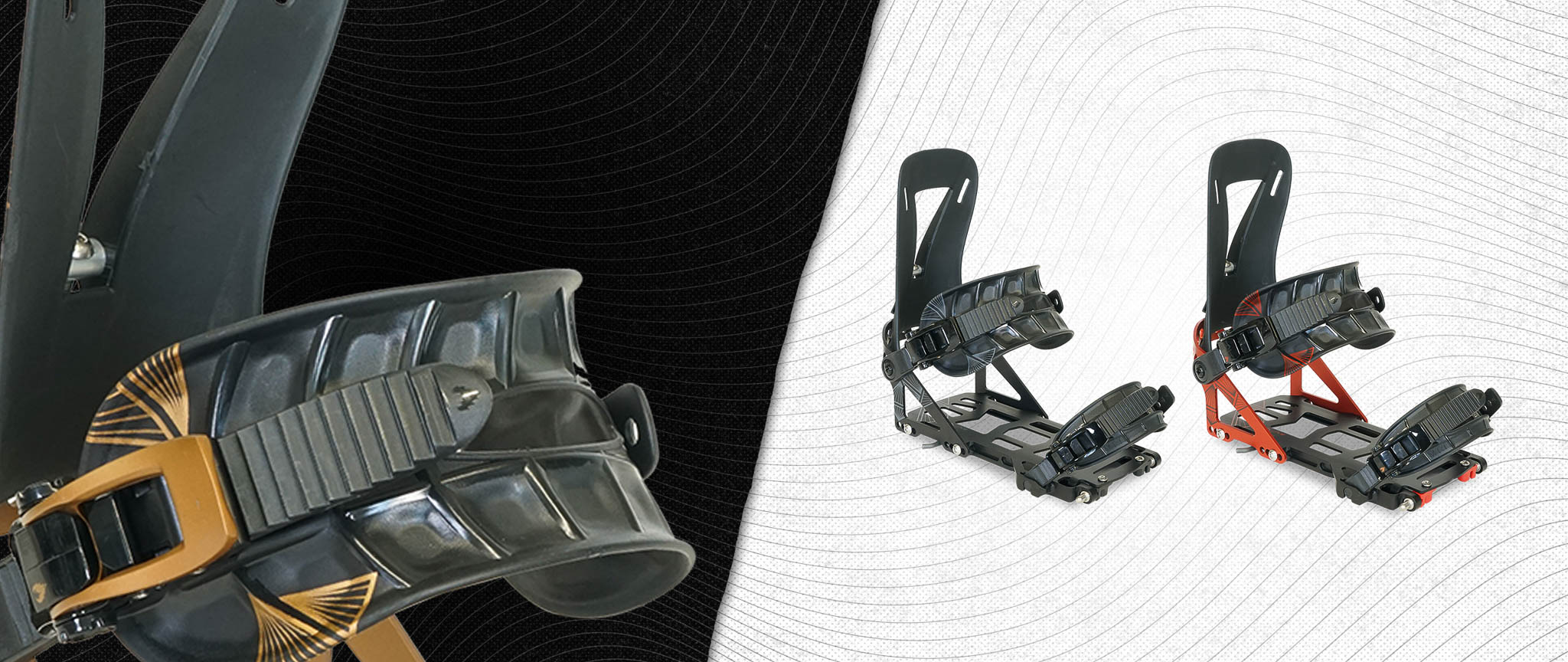
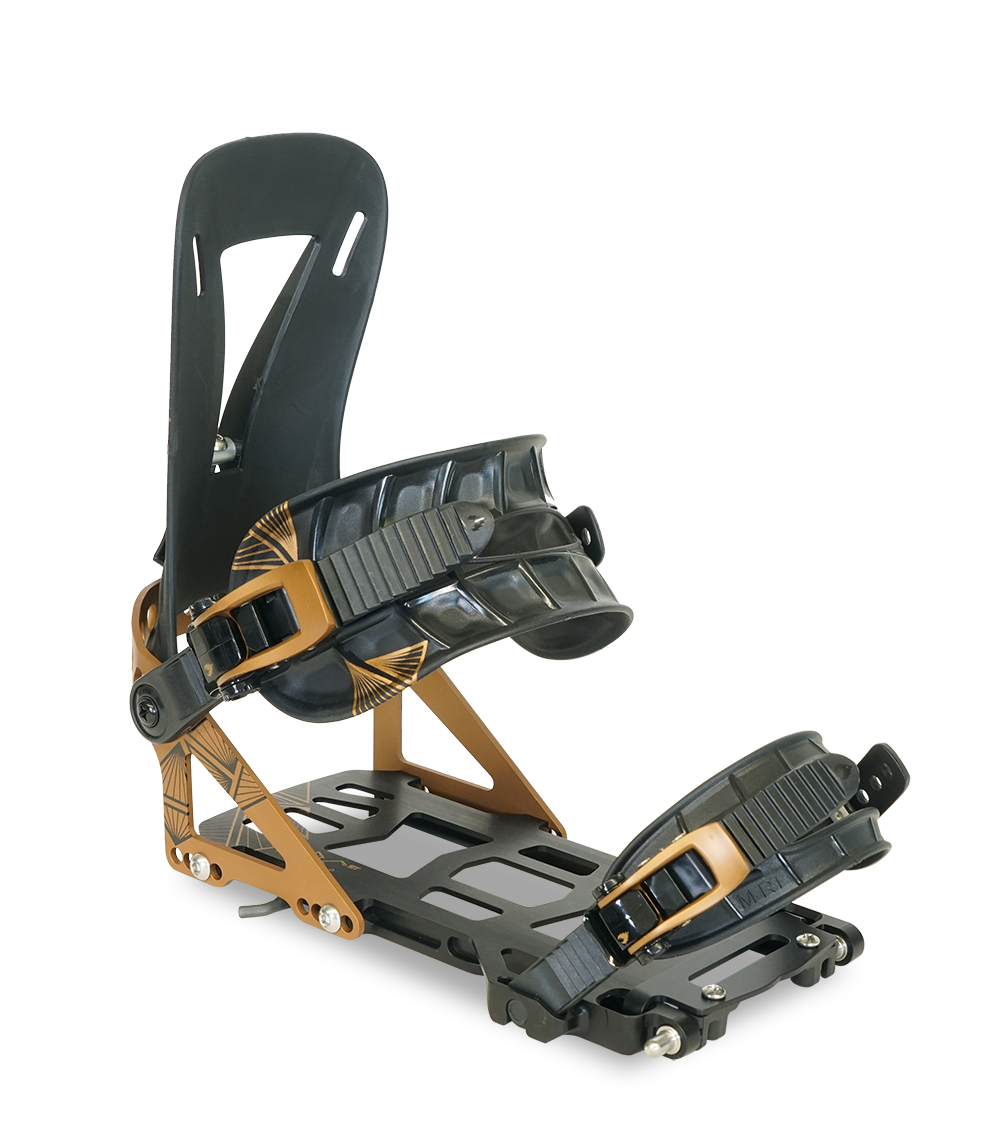
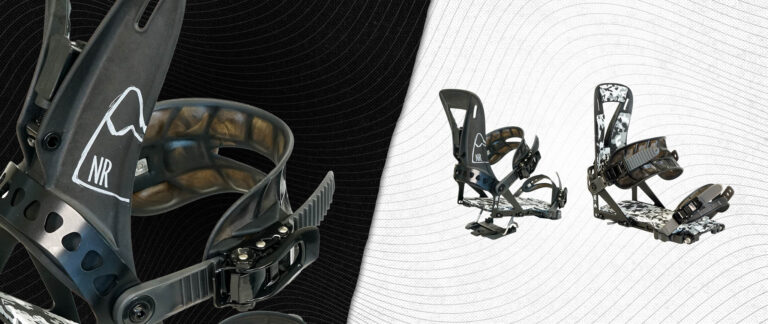
The first thing to note is that Spark R&D bindings don’t have the kind of grippy underfoot cushioning that you get in regular models. Instead, like the playlist at the IT guy’s wedding, it’s metal all the way. Not only that, but even compared to its stablemate the Surge, the Arc is almost absurdly minimalist; everything that can be cut out of the footbed, has been, resulting in a significant weight saving. The way the sides of the binding connect to the base may look a bit Meccano (especially in the red colourway), but they’re not for playtime; this all-metal setup delivers brilliant response, and is more comfy than it has any right to be. The heelcup is holier than Vatican City, which means more weight savings with no noticeable loss of strength, and the anodised colourways really pop.
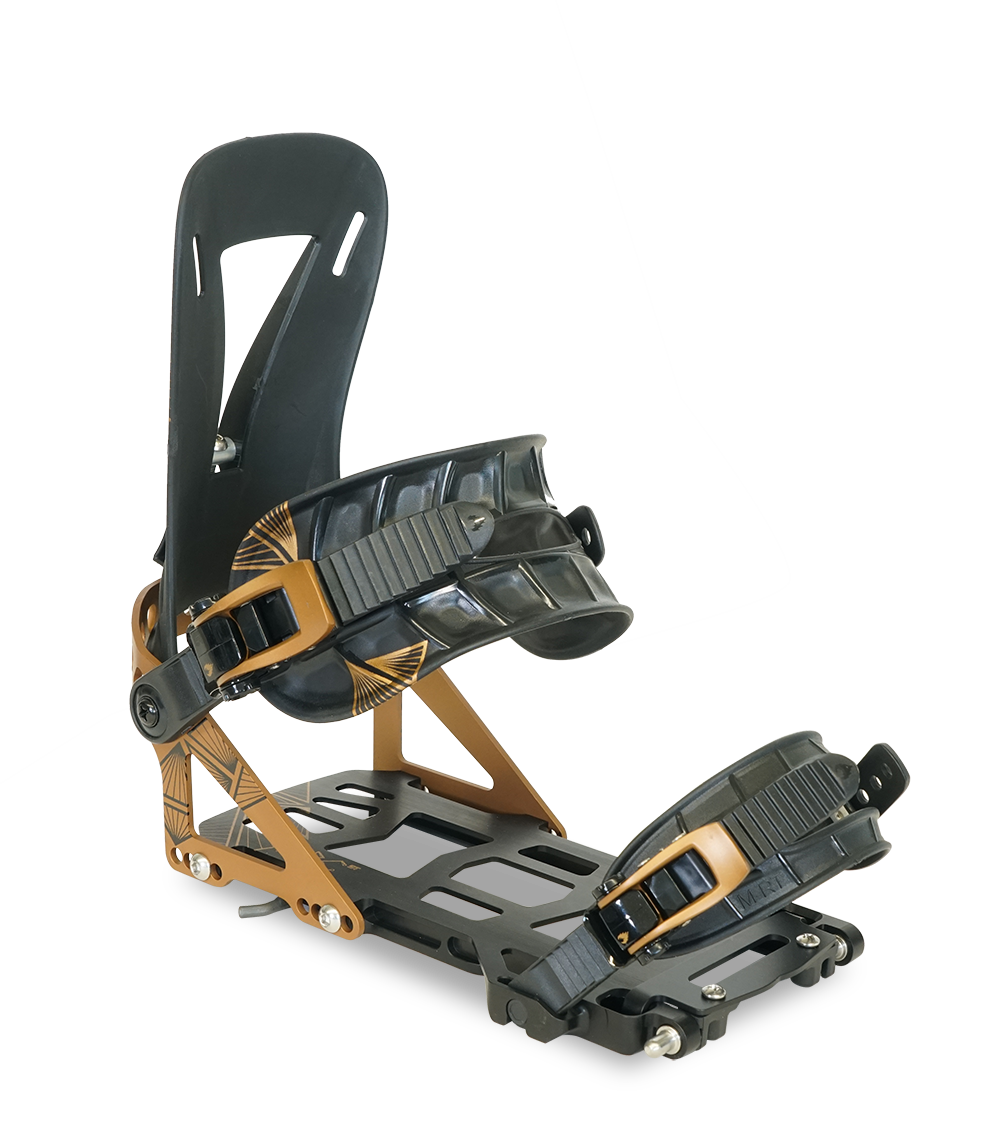
Spark’s straps are no less ‘bare bones’ in appearance than the footbeds, and largely for the same reason: weight savings. However, despite an abundance of padding they score highly on the comfort scale. The straps conform nicely to any boot, and their single-component design means they’re highly unlikely to fail when you’re miles out of bounds.
As for the ‘Rip N Flip’ highbacks, the clue’s in the name. A quick flick of the adjuster mounted on the back, and your highback is allowed to lean back, significantly adjusting your stride length as you ascend on your splitboard. When it’s time to ride, another flick gets you into riding mode – it really is a breeze! The highback itself is another one-piece design that’s both thin and strong, and the big ol’ cutaway makes it flexy enough to really make the most of surfy turns in the powder.
“Everything about the Spark R&D Arc ST is built to last, too; bomb-proof, snap-proof and freeze-proof!”
It’s little wonder that Spark R&D have maintained their place at the top of the splitboard tree for so long, nor will we be surprised if even more brands licence their winning tech in the future (Burton, for example, have been doing so for years).
Even at a glance it’s obvious that every conceivable weight-saving has been made here, from its lattice-esque footbed and Swiss-cheese heelcup to those thin straps. That’s great when you’re descending, and even better on the way up. Everything about the Spark R&D Arc ST is built to last, too; bomb-proof, snap-proof and freeze-proof!

“I’ve tried a lot of splitboard bindings over the years, and unless you’re going to dip your toe into the pricey world of Step Ons (or embrace hard boots) then Spark has the best system, hands down. Their ‘Tesla’ snap ramp system saves hours of time, making it super easy to switch from climbing to descend mode, and vice versa. I’ve never had a problem with it icing up, breaking, or getting too full of snow, and it always feels super secure. The skinny climbing wires are still Spark’s greatest weakness – I always carry spares, just in case they bend or break. But thankfully, local dealers will often send spares for free, and Spark have made improvements to recent models, including adding a lever to the side to make getting them up and down easier. Lightweight, easy to use and not too pricey (as splitboard bindings go) these are still the gold standard.”
One small step for Nick Russell , one giant leap for binding-kind